
How do you find meaning?
In which I return to northern Iraq and see what is happening in the refugee camps

When I talk about finding meaning, this is what I am getting at: recently I returned to northern Iraq to do PTSD training for another amazing cohort of local psychologists who are working with survivors of ISIS. If you recall what happened to the Yazidi community in 2016 as parts of Iraq started to fall, then you will know the horrors that befell them - a genocide in which men, boys and older women were put to death, and sexual slavery for the girls and women.
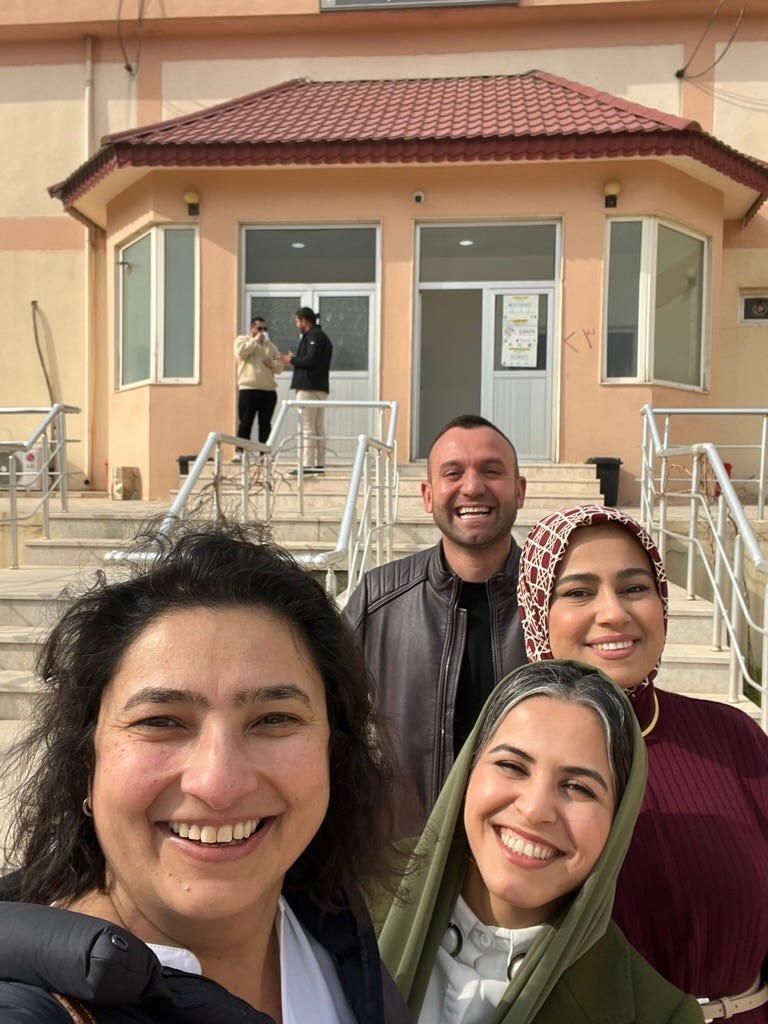
As you can imagine the psychologists there treat some of the worst traumas you can imagine, and I am in awe of their humanity. I have to say, in the days before I left, I didn’t feel like going. The flight, the long drive, the anxiety about teaching well. But one thing I have learnt is not to listen to the part of myself that is avoidant. I tell myself I will be fine when I get there, it will all fall into place, and usually it does.
I was, of course, so glad I went. It filled me up to see local psychologists doing really hard work with ISIS survivors. One colleague told me that he copes after really difficult sessions with rape survivors by running on a track around the camp chanting ‘Fuck Isis’ with every breath. He does whatever it takes to keep going. All at the same time knowing that these are your neighbours and friends who suffered.
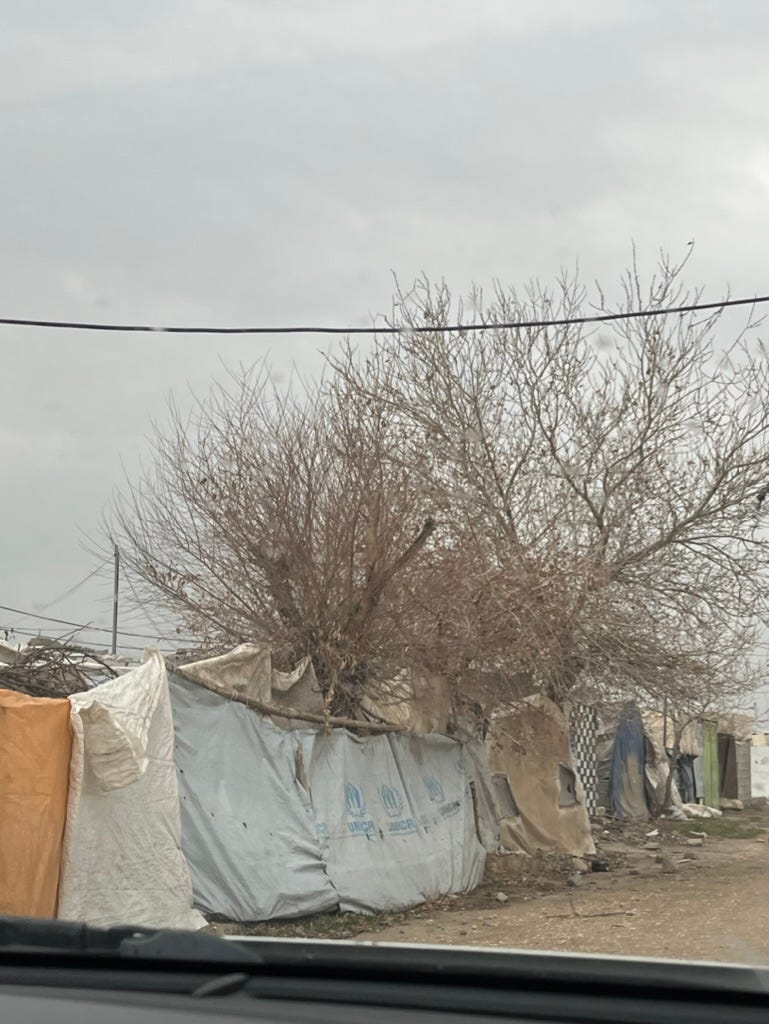
What really gave me joy was working and teaching alongside some of the psychologists I trained in 2019 and seeing the crucial work they are now doing in the refugee camps, especially those who were held in captivity by ISIS and used as sex slaves. Going back and seeing how effectively they are treating severe PTSD, and how they are still using what I shared with them, is priceless. These are really special, brave people. And this is where the internet is great - we can share learning and resources between West London and the camps of Northern Iraq.
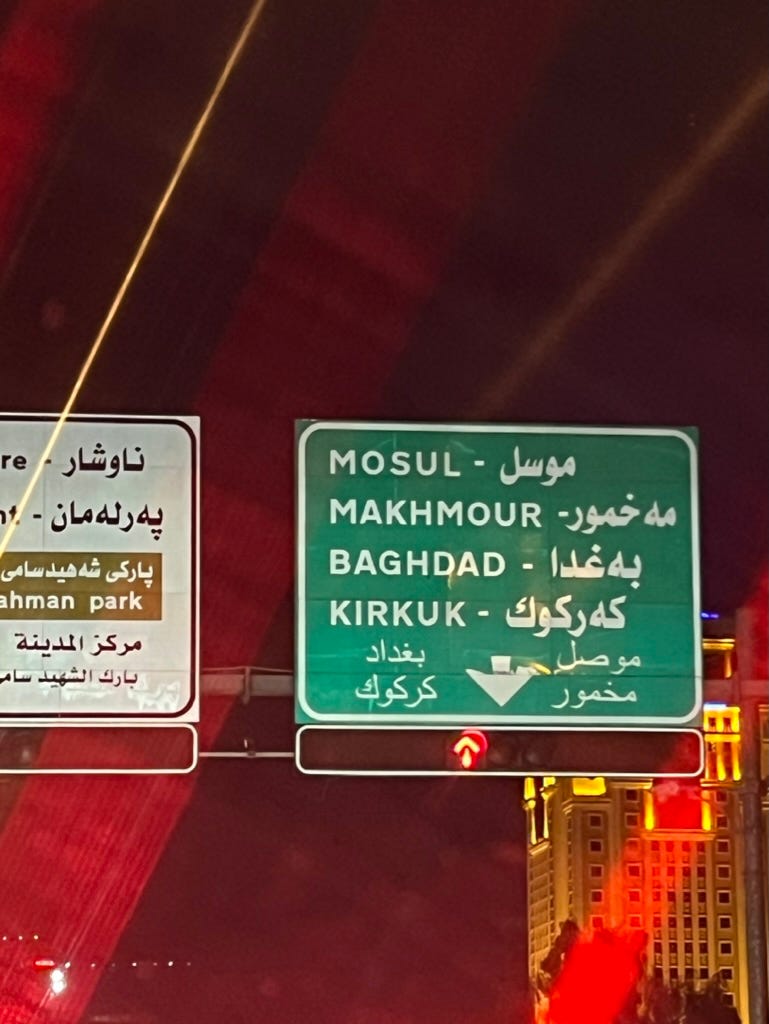

People often ask me how I can hear what I hear but the truth is we can help victims of terrible crimes against humanity. It’s bloody hard but it’s not pointless or useless. No one should suffer daily flashbacks to rape or torture, and we can help reduce that. Being able to support those who are on the ground, who have seen what happens at the edge of humanity, is the best part of this work.
Working with trauma is not easy - but moments like this make it all worthwhile. Seek out whatever gives you meaning and connection. You’ll know when you find it.
.